Craft
The Inventive LWMFCrafts Revolution: A Complete Guide to Creative Handmade Projects for Every Home

Published
4 months agoon
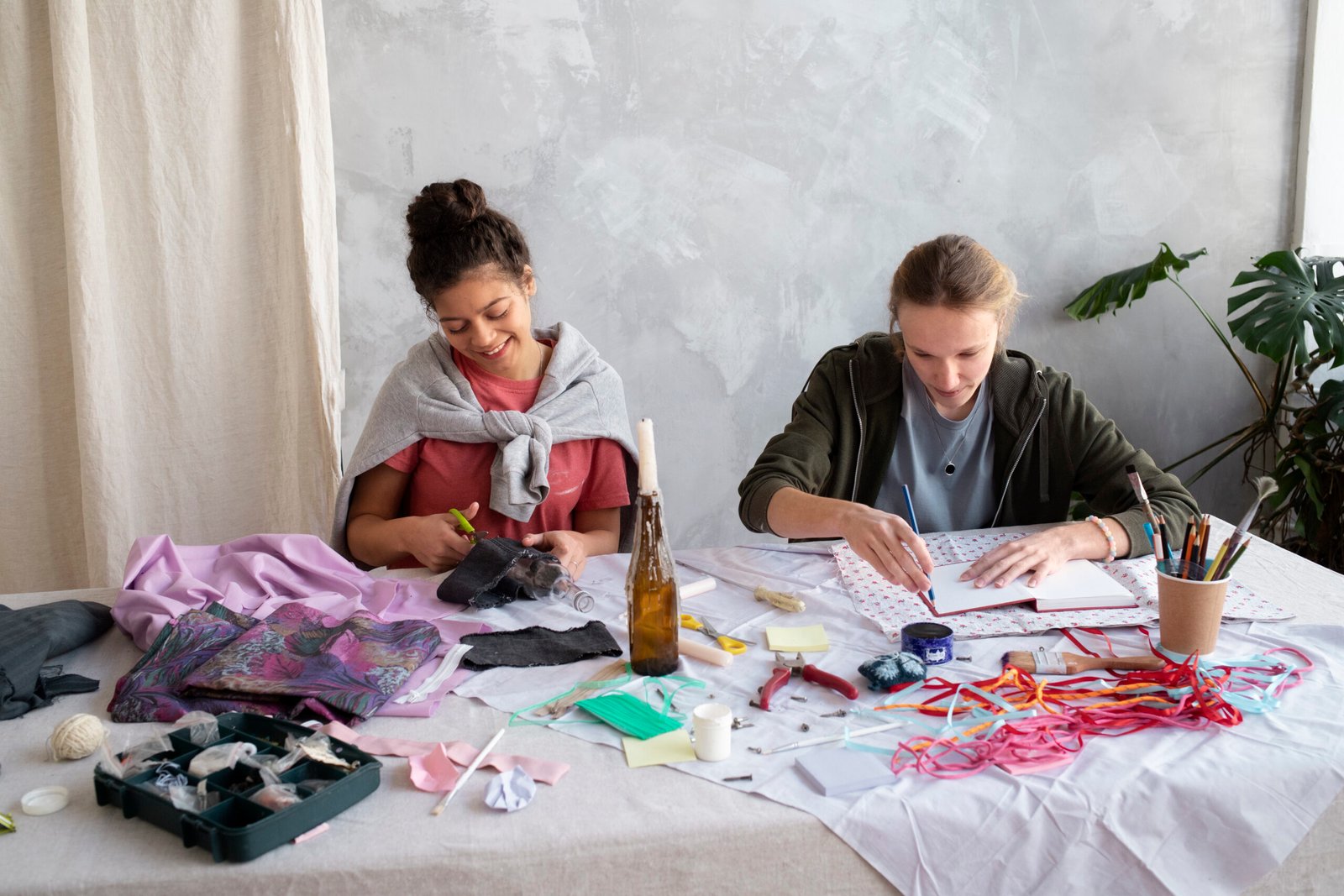
Table of Contents
ToggleA Complete Guide to Creative Handmade Projects for Every Home
In an era dominated by screens and mass-produced goods, a quiet but powerful revolution is taking place in living rooms, kitchens, and backyards across the world. This movement, known as Inventive LWMFCrafts, is transforming how families approach creativity, sustainability, and quality time together . But what exactly is this phenomenon, and why has it captured the imagination of so many? At its core, Inventive LWMFCrafts represents a philosophy of making that emphasizes resourcefulness, personal expression, and the joy of creating something meaningful with one’s own hands. It is the art of looking at everyday objects, from empty cardboard boxes to glass jars and fabric scraps, and seeing not waste, but potential . This approach to crafting is not about achieving perfection or following rigid instructions; it is about exploration, experimentation, and the celebration of the creative process itself.
The beauty of Inventive LWMFCrafts lies in its accessibility and its profound impact on both individuals and families. It invites everyone, regardless of age or skill level, to participate in a shared experience that builds confidence, strengthens bonds, and fosters a deeper appreciation for the environment . As we delve deeper into this comprehensive guide, we will explore the core principles of the LWMFCrafts movement, uncover its key benefits, and provide you with a treasure trove of project ideas, tips, and hacks to kickstart your own creative journey. From understanding the foundational elements of this modern crafting revolution to tackling practical low-mess projects that the whole family can enjoy, this article is designed to be your definitive resource. The world of inventive crafts is waiting, and the only thing you need to begin is a willingness to explore and the desire to create.
What Is Inventive LWMFCrafts? Unpacking the Crafting Phenomenon
Understanding Inventive LWMFCrafts requires moving beyond a simple definition, as it is more of an ethos than a rigid set of rules. The term “LWMF,” sometimes interpreted as “LookWhatMomFound,” represents a vast collection of accessible DIY projects designed to be straightforward and achievable for everyone . More broadly, it represents a dynamic movement where “Legacy, Wonder, Modernity, and Form” converge to push the boundaries of traditional handmade goods . This philosophy celebrates personal style through fun designs and thoughtful building, emphasizing that you do not need expensive equipment or a studio to become a maker. Instead, you can use simple things found around the house or in nature . It’s a way of thinking that transforms cheap, simple objects into extraordinary artwork, telling a story from the moment you select your materials until you put the final piece together .
At its heart, the LWMFCrafts movement is built upon a deep respect for traditional skills while simultaneously embracing innovation. Artisans often master age-old techniques, using them as a springboard to explore new ideas and materials . The core principle is a fearless fusion of old and new—think of a woodworker using reclaimed timber to build a self-watering planter, or an artist combining sustainable wood with modern smart textiles . The goal is to inspire everyday people to try new things with confidence, using clean, eco-friendly materials and sustainable ideas . This blend of honoring the past and creating for the present is what makes the movement so compelling; the “inventive” aspect is driven by a constant experimentation with biodegradable plastics, recycled textiles, and even microcontrollers to create pieces that are both beautiful and functional . Whether you are creating a simple moss fairy garden or a complex piece of upcycled furniture, the underlying philosophy is the same: you are telling a story and imbuing an object with your personality and feelings .
Why You Need LWMFCrafts in Your Life: Core Benefits
The surge in popularity of Inventive LWMFCrafts is driven by the tangible, far-reaching benefits it offers families and individuals. In an age where screen time often overshadows active play, crafting serves as a vital counterbalance. Research and anecdotal evidence suggest that families who regularly engage in creative activities significantly reduce their household waste and, more importantly, drastically cut down on passive entertainment, replacing it with active creation and valuable interaction . One of the most immediate benefits is the opportunity for stronger parent-child connections. When you sit together, cutting paper or painting wood, conversations flow naturally, and children often share thoughts they might not express during rushed dinners. These shared moments build trust and create an emotional foundation that is essential for healthy development .
Beyond the social and emotional advantages, the cognitive and physical benefits are equally impressive. Crafting activities are a powerful tool for developing fine motor skills and hand-eye coordination. Watching a child learn to use scissors with confidence or glue small pieces with precision is a testament to the developmental progress that regular crafting can facilitate . These activities also enhance problem-solving abilities, encouraging children to think creatively when a cardboard tower won’t stand up or a design doesn’t go as planned . For both children and adults, the focused, repetitive motions of crafting can have a meditative effect, reducing stress and anxiety . It’s not just about the finished product; it’s about the process of creation, which builds deep creative confidence and a sense of accomplishment that resonates far beyond the craft table . Ultimately, Inventive LWMFCrafts offers a sanctuary from the pressures of modern life, a way to relax, de-stress, and develop essential life skills in an environment that is nurturing, playful, and uniquely personal .
The Philosophy Behind the Making: Legacy, Wonder, Modernity, and Form
To truly grasp the depth of Inventive LWMFCrafts, one must understand its philosophical pillars, which ensure the movement is sustainable and meaningful. The first pillar, Legacy, emphasizes that at its foundation, the movement has a deep and abiding respect for the past. Artisans often spend years mastering age-old techniques like joinery or detailed carving, using this mastery as a starting point for innovation . However, they don’t stop there; they use traditional skills to create something new and relevant for the modern world. This is closely tied to the pillar of Wonder, which is all about igniting the imagination. The movement encourages a sense of discovery and play, reminding us that creativity should be joyful and full of curiosity . This is evident in the playful and sometimes whimsical nature of many projects, from paper plate puppets to marshmallow structures .
The third pillar, Modernity, is the engine that drives the “inventive” aspect of the movement. This represents a commitment to embracing technology and new materials, constantly experimenting with everything from biodegradable plastics to LED lighting . This integration is never for show; it serves a purpose, whether it’s enhancing functionality or enabling a design that would have been impossible a decade ago. In a similar vein, projects that use modern, low-mess materials like EVA foam or peel-and-stick tints are a direct application of this principle, making crafting more accessible and less intimidating . Finally, the pillar of Form ensures every piece is a testament to aesthetic beauty, structural integrity, and practical usability. There is a perfect balance between art and engineering; the goal is to create objects that are stunningly beautiful and incredibly useful, turning them from mere objects into cherished possessions . This commitment to marrying form and function is what elevates Inventive LWMFCrafts from simple hobbies to a meaningful and sustainable form of personal expression.
5 Low-Mess Inventive LWMFCrafts Projects for This Weekend
The most common barrier to starting a crafting project is often the perceived mess. The fear of spilled glue, loose glitter, and stained carpets can be enough to put anyone off. This is precisely why the “low-mess” approach is so revolutionary . By substituting traditional, sticky materials with smart, self-contained alternatives, you can enjoy all the benefits of crafting without the exhausting cleanup. The core idea is to say goodbye to messy materials and instead use items that allow kids (and adults) to build, sculpt, and play without leaving a path of destruction behind them . For example, swapping school glue and loose glitter for EVA foam panels and tape strips can transform a Saturday afternoon activity from a potential disaster into a joyful and stress-free experience .
Here are five inventive, low-mess projects you can build this weekend using clever material swaps that keep the fun high and the chaos low:
3D Paper Sculptures: Move beyond basic scrapbooking to create incredible 3D structures. Instead of liquid glue, which can warp paper and get everywhere, use double-sided tape strips to lock pre-cut geometric templates or even old cereal boxes together tightly. This gets kids thinking about shapes and building, with absolutely no wet residue or sticky glue trails. The cleanup is as simple as tossing the scraps back in the bin .
No-Glue Foam Mosaic Art: Thick EVA foam sheets are fantastic for younger kids because they are tactile and squishy. You can buy peel-and-stick adhesive foam shapes or simply cut slots in a piece of cardboard and let kids push the foam pieces in. Safety scissors cut through dense foam easily, leaving large, sweepable scraps instead of thousands of tiny paper bits. The project is self-contained and leaves no mess behind .
Precision Paper Quilling: When you need a quiet, calming activity, paper quilling is the perfect solution. By rolling thin strips of colored paper with a simple tool to make beautiful mosaic patterns, the entire activity is contained to a tiny spot on the table. A glue stick eliminates the risk of spills. For an inventive twist, stand the paper coils up on their edges to make 3D birthday cards or bookmarks .
Mess-Free Window Art and Sun Catchers: You can get a stunning stained-glass look without touching a drop of liquid paint. Using transparent static-cling window film kits, kids can “paint” by sticking colors onto a clear plastic sheet. If they make a mistake, they can simply peel the piece up and reposition it instantly. The finished designs can be hung in a bright window, creating gorgeous, moving colored shadows when the sun hits them .
Air-Dry Clay Impressions: Regular pottery clay means bowls of water, muddy hands, and dusty cleanups. Instead, use a non-toxic air-dry clay like Crayola Model Magic, which feels like fluffy dough, holds its shape, and doesn’t crumble. The clay stays in one solid piece, keeping the work contained right on a silicone mat. Roll the clay into flat circles, press leaves or pinecones into it, and you’ll have beautiful rustic medallions that dry solid overnight without cracking .
Simple and Playful Craft Ideas to Try with Your Family
Beyond the low-mess projects, the LWMFCrafts universe is filled with a vast array of fun and easy activities that require minimal time and basic supplies, making them perfect for any family. These projects are designed to be open-ended, allowing for maximum creativity and personal expression. For instance, transforming ordinary paper plates into adorable animal friends is a classic activity that never gets old. With just paint, construction paper, glue, and googly eyes, children can create a whole zoo, a menagerie of their favorite storybook characters, or simply express their own imagination. The process is simple and gives children a sense of accomplishment and ownership over their creations .
Another fantastic way to engage kids is through projects that encourage dramatic play and recycling. DIY puppets, whether made from paper bags, socks, or paper plates, are a brilliant way to develop fine motor skills while fostering imaginative storytelling . Similarly, using everyday items like old socks to create silly worms or egg cartons to make critters (like spiders or ladybugs) teaches resourcefulness and the value of giving new life to old things . For a more sensory and creative activity, making handprint art or sculpting with play-dough or air-dry clay are excellent choices . You can also explore creating home décor that the whole family can contribute to, such as mason jar lanterns for the patio or painted rock garden markers that add a personal touch to the yard . The key to these activities is to celebrate effort over perfection, following the child’s lead and letting their creativity guide the project .
Essential Tips and Hacks for a Successful Crafting Session
To ensure your crafting sessions are a success and a source of joy rather than stress, a few key strategies can make all the difference. First and foremost, it is crucial to prepare for the reality that creativity can be messy. Embracing the “chaos” and accepting that a bit of glitter or paint might end up where it shouldn’t is part of the process. Using washable materials and dressing children in old clothes designated for art time can help alleviate the stress. It’s also wise to create a designated craft space, even if it’s just a corner of a table covered with old newspapers or a plastic sheet. Keeping wet wipes nearby for quick cleanups and organizing supplies in one accessible box makes it easy to get started, which is half the battle .
Another fundamental principle is to always focus on the process rather than the product. Celebrate the effort and creativity of your child, even if their painted rock looks more like a brown blob than a ladybug. Asking open-ended questions like “Why did you choose that color?” or “Tell me about your design!” encourages thoughtful creation rather than perfectionism . It’s also important to have a backup plan in mind, as some projects may not work out as expected, and that is perfectly normal . Ultimately, the goal is to have fun and enjoy the time spent together. By following your child’s lead and adapting projects to their interests, you can create a nurturing environment where creativity can flourish and cherished family traditions are born. This approach turns crafting from a simple activity into a powerful tool for building confidence, resilience, and meaningful connections .
How to Elevate Your Crafting with Advanced Techniques
While simple paper and glue projects are the foundation, the world of Inventive LWMFCrafts also offers pathways for those looking to deepen their skills and create more sophisticated pieces. For those with a passion for woodworking, mastering foundational techniques opens a door to creating heirloom-quality furniture and decor. Delving into the art of joinery, for example, is a rewarding step. Learning to create precise joints, like the dovetail, not only provides incredible structural integrity but also adds a touch of timeless craftsmanship to any project . Similarly, exploring wood lamination—the process of gluing thin layers of wood together—is a technique that allows for the creation of beautifully curved and highly durable forms, far beyond what a single piece of wood can achieve . For the more artistically inclined, marquetry offers a stunning way to create intricate pictures and patterns using thin wood veneers, transforming a simple box or piece of furniture into a work of art .
Furthermore, for those who love working with their hands on a smaller scale, advanced techniques in wood carving can be incredibly satisfying. Moving beyond whittling to full carving requires learning how to handle more complex tools and manage grain direction on curved surfaces, allowing for the creation of detailed figures, decorative elements, and functional art pieces . These skills enable artisans to create everything from custom picture frames to intricately carved bowls, pushing the boundaries of what “handmade” can be. Many of these advanced techniques also integrate perfectly with the modern, low-mess approach that families love . For example, an advanced crafter could create a stunning wooden lamp base using bent wood lamination, then use a low-mess, air-dry clay to create a unique shade, blending high-skill woodworking with accessible family-friendly materials.
Frequently Asked Questions
1. What exactly does “LWMFCrafts” stand for, and what is its core idea?
The term “LWMF” is often associated with “LookWhatMomFound,” a popular crafting platform that offers accessible DIY projects. More broadly, it represents a creative philosophy focused on using simple, recycled materials to create unique and personalized crafts, emphasizing the joy of making and family bonding over perfection .
2. What are the main benefits of doing LWMFCrafts with my family?
Engaging in these crafts offers numerous benefits, including strengthening parent-child bonds, reducing screen time, improving children’s fine motor skills and hand-eye coordination, enhancing problem-solving abilities, and providing a fun, stress-relieving activity for all ages .
3. I’m not very creative. What kind of projects are good for beginners?
There are many simple and rewarding projects perfect for beginners. Great starting points include paper plate animals, beaded bracelets, painted rocks, DIY paper bag puppets, and nature collages. These projects require minimal supplies and have easy-to-follow steps .
4. How can I keep the mess under control when crafting with kids?
Adopting a “low-mess” approach is key. Swap traditional materials like liquid glue and loose glitter for alternatives like tape strips, EVA foam sheets, glue sticks, and peel-and-stick window tints. Also, prepare your space with newspaper or a plastic tablecloth and keep wet wipes handy for quick cleanups .
5. Where can I find more ideas and supplies for LWMFCrafts?
The best part about this crafting movement is that the supplies are often around your home! Start with a dedicated box to store items like old magazines, cardboard boxes, fabric scraps, glass jars, and buttons. For specific materials and inspiration, you can explore online platforms like the one mentioned in this article, though the true spirit of the movement is about resourcefulness and creativity, not expensive shopping trips .
6. Are these craft projects suitable for adults, or are they just for kids?
Absolutely not! While many projects are fantastic for children, the principles of creativity, stress relief, and personal expression apply to all ages. Adults can explore more complex projects like upcycled furniture, wood carving, paper quilling, or creating intricate home decor, all while embracing the inventive and experimental spirit of LWMFCrafts .
7. How do I get started if I don’t have any craft supplies?
The spirit of LWMFCrafts is to use what you already have. Look around your home for items that would otherwise be thrown away: empty cereal boxes, toilet paper rolls, old newspapers, magazines, fabric scraps, and glass jars. Gather them in a box, and you already have a craft supply kit ready to go .
8. How can I make crafts more educational for my children?
Crafting is a fantastic educational opportunity in disguise. Use it to teach math through measuring and counting, improve reading comprehension by having them follow instructions, and explore science through experimentation (e.g., testing different glues or observing how paint dries). It’s a hands-on way to bring school subjects to life .
You may like
Craft
Delmar Map: The Essential Guide to Navigating a Town Straddling Two States
Published
3 months agoon
July 22, 2026
Table of Contents
ToggleAt first glance, a standard road map might show Delmar as just another small dot on the Eastern Shore. However, a closer look reveals something far more intriguing: a town so uniquely positioned that its very identity is split between two states. The “Delmar map” is not just a tool for finding a street or a local business; it is a geographic and historical document that tells the story of a community named for the peninsula it anchors—the Delmarva Peninsula. For residents, visitors, and even digital marketers, understanding the layout of this town is essential. Whether you are using a GPS to navigate its streets, analyzing a historical survey for research, or trying to rank a local business in search results, understanding the nuances of the Delmar map is your first step to truly knowing the town. This article serves as your comprehensive guide to the map of Delmar, breaking down its geography, its key features, and how you can use this knowledge to your advantage.
The Geography of a Border Town
The most defining feature on any Delmar map is its status as a border town. Delmar sits precisely on the state line between Maryland and Delaware, a line that does not simply divide two states but also physically runs through the heart of the community. This is most famously illustrated by the “state line” that runs down the middle of State Street, the town’s main thoroughfare. This unique geography means that the town is incorporated as two separate municipalities: Delmar, Maryland, and Delmar, Delaware.
Looking at a detailed map, you will see that Wicomico County in Maryland administers the western half of the town, while Sussex County in Delaware governs the eastern half. This unique arrangement is not just a quirky footnote; it impacts everything from local governance to school districts and utility services. The map of Delmar is, therefore, a practical guide for understanding jurisdiction. If you are looking to relocate, a map can help you determine if you will be dealing with Maryland’s tax structure or Delaware’s. For local businesses, this geographical nuance is critical for local SEO strategies, as they must optimize for search terms related to both “Delmar, MD” and “Delmar, DE” to capture the full market.
Historical Cartography of Delmarva
To fully appreciate the modern Delmar map, one must look back at the historical maps that shaped the region. The name “Delmar” itself is a portmanteau of “Delaware” and “Maryland,” reflecting its birth as a railroad town on the line between the two states. The broader area is better known as the Delmarva Peninsula, a vast landmass that includes parts of Delaware, Maryland, and Virginia. The historical cartography of this region is rich and detailed, with some of the earliest maps produced by the American Philosophical Society in the 18th century.
One of the most significant early maps is John Churchman’s 1778 map of the peninsula between Delaware and Chesapeake Bays. This map is not just a historical artifact; it is a testament to the region’s strategic importance and was created to support the proposed construction of a canal between the Delaware and Chesapeake bays. Maps like these provide a historical foundation for understanding the modern landscape. They show how the topography has changed, where roads and towns were originally settled, and the historical boundaries that have defined the area for centuries. The Delmar map is a living descendant of these original surveys, which laid out the intricate network of roads, rivers, and towns that residents navigate today.
Modern Mapping and Navigation
In the 21st century, the Delmar map has evolved from a static piece of paper to a dynamic digital tool. Whether you are using a dedicated GPS device, the DeLorme XMap software for complex route planning, or the National Geographic Trails Illustrated map for outdoor recreation, modern mapping tools offer precise navigational data.
Key features of these modern maps include detailed topography, shaded relief, elevations, and accurate road networks. For outdoor enthusiasts, a map of the Delmarva Peninsula is essential for exploring the state parks, wildlife areas, and recreational water trails that surround the town. Maps like the National Geographic Topographic Map highlight areas such as the Pocomoke River and the Wicomico River, which are vital to the region’s ecology and recreation. For urban navigation, tools like the DeLorme XMap allow users to find addresses, intersections, and points of interest with ease. The search functions allow you to locate specific symbols, waypoints, or even calculate routes based on specific search criteria, ensuring you can navigate the border town with confidence.
Delmar Map for Local SEO
For business owners and marketers, the Delmar map is more than just a navigational aid; it is the foundation of a successful local SEO strategy. As the digital world increasingly prioritizes location-based searches, understanding how to optimize for a “map view” is crucial. Research shows that 76% of people who search for a nearby business on their smartphones visit them within a day, highlighting the importance of being visible on Google Maps and local search results.
Keyword Research
Effective local SEO begins with mapping your business to specific geographic keywords. For a town like Delmar, which straddles two states, this means targeting both Delmar, Maryland, and Delmar, Delaware in your content strategy. You need to identify keywords that users in the area are searching for, such as “best coffee shop Delmar MD” or “plumber Delmar DE”.
Content Creation and Optimization
Once you have your list of “Delmar map” keywords, you need to map them to your existing content and plan for new content. This involves creating location-specific landing pages and blog posts that answer local queries. A detailed guide about the town or a map of the local area are fantastic ways to use a local focus and long-form content. Google favors content that is helpful and has a specific geographic focus, so articles about local news, events, and landmarks are a must.
Google My Business and Citations
Your Google My Business profile is the most important tool for mapping your business to the Delmar area. Ensure your profile is fully optimized with your exact address, and phone number, and that you have selected the correct categories. Additionally, building local citations in online directories, such as Yelp and the local chamber of commerce, helps confirm your physical location, further boosting your visibility on the Delmar map.
Conclusion
The map of Delmar is far more than a simple grid of streets. It is a story of geography, history, and commerce. From the Revolutionary War-era maps of the Delmarva Peninsula to the modern digital interfaces we use for navigation, the layout of this town is defined by its unique position on the state line. For the average user, understanding the map is key to navigating the practicalities of living or visiting a community that straddles two states. For business owners, mastering the nuances of local SEO related to the Delmar map can be the difference between thriving and simply surviving in this unique market. Whether you are looking at a physical map, a GPS screen, or search results on Google, remember that the Delmar map is your guide to the “Little Town Too Big For One State.”
Frequently Asked Questions (FAQ)
1. What makes the map of Delmar so unique?
The uniqueness of the Delmar map lies in its geography. The town is split down the middle by the Maryland-Delaware state line, meaning one side is in Wicomico County, Maryland, and the other is in Sussex County, Delaware. This “border town” status is best seen on maps where State Street acts as the boundary line.
2. What is the historical significance of the Delmarva Peninsula map?
The historical significance of the Delmarva Peninsula map is tied to early American cartography. John Churchman produced a notable map in 1778 to support the construction of a canal between the Delaware and Chesapeake Bays. This map is historically valuable as one of the few separately-issued maps produced in America during the Revolutionary War.
3. How can I use the Delmar map to improve my local SEO?
You can use the Delmar map to improve local SEO by targeting specific location-based keywords. Since the town is in two states, businesses must optimize content for both “Delmar, MD” and “Delmar, DE.” Using location-specific keywords in your Google My Business profile and creating local content will help you rank higher for searches happening in the area.
4. Are there specialized maps available for Delmar and the Delmarva Peninsula?
Yes, there are specialized maps available. For outdoor recreation and GPS navigation, maps like the National Geographic Trails Illustrated map offer detailed topography, trails, and recreation points for the Delmarva Peninsula. For complex data and custom mapping, software like DeLorme XMap allows users to search for addresses and plan routes in detail.
5. How does the “state line” on the map impact residents and businesses?
The state line impacts residents and businesses regarding jurisdiction, taxes, and services. Residents on either side of the line fall under different state laws, tax codes, and school districts. For businesses, it is essential to understand these boundaries for accurate listing and to ensure they are targeting the correct local audience in their marketing efforts.
Craft
From Crafting Worlds to Crafting Futures: The Ultimate Guide to the Minecraft Scholarship
Published
4 months agoon
July 8, 2026
Table of Contents
ToggleIntroduction
For millions around the globe, Minecraft is much more than a game—it is a digital canvas for creativity, a problem-solving sandbox, and a collaborative platform that has quietly revolutionized how we think about learning. While players spend countless hours building intricate redstone contraptions, designing sprawling cities, and surviving the night, few realize that this dedication can directly translate into funding for higher education. The Minecraft Scholarship stands as a testament to the growing recognition of gaming’s educational value, offering students a unique opportunity to transform their passion for the blocky universe into tangible financial support for college. This prestigious award is designed for students who can articulate how a game often dismissed as mere entertainment has shaped their educational journey and career aspirations. Whether you are a high school senior looking to offset tuition costs or a college student seeking recognition for innovative thinking, this guide provides a comprehensive overview of everything you need to know about this remarkable opportunity .
Understanding the Minecraft Scholarship
The Minecraft Scholarship, officially administered by Apex Hosting, is an annual award created to bridge the gap between the virtual world of gaming and the academic rigor of higher education. Apex Hosting, a company deeply embedded in the Minecraft community through server hosting, launched this initiative to celebrate the positive impact the game has had on learning and development . The fundamental premise of the scholarship is to encourage students to think critically about how their time spent in Minecraft has contributed to their personal growth, skill acquisition, and future career goals. It is a financial award that acknowledges that the problem-solving skills honed while building a functional city or the collaborative spirit developed while managing a survival server with friends are just as valuable as traditional academic achievements . The scholarship awards a $2,000 prize to one successful applicant each year, providing a meaningful contribution towards college tuition .
Eligibility Requirements and Key Details
Before preparing an application, it is crucial to ensure that you meet the specific eligibility requirements set forth by the scholarship committee. The process is designed to be accessible, but applicants must adhere to specific criteria to be considered. Firstly, the scholarship is open to United States citizens who are currently enrolled in either a high school or an accredited college or university . This focus on U.S. citizens is a key distinguishing factor for this specific scholarship, although other gaming-related scholarships may have different geographic requirements.
Furthermore, academic performance plays a vital role in the selection process. Applicants are required to maintain a minimum cumulative 3.0 Grade Point Average (GPA) . This requirement underscores that while the scholarship values gaming proficiency and passion, it does not compromise on academic excellence. Successful candidates are expected to demonstrate a balance between their extracurricular pursuits and their academic responsibilities. The application process, which has a deadline of July 31, 2026, culminates in a selection drawing held in early August, providing a clear timeline for students to plan their submissions .
The Application Process: More Than Just an Essay
The cornerstone of the Minecraft Scholarship application is the submission of a compelling essay. Unlike many scholarships that rely heavily on standardized test scores or extensive extracurricular lists, this application prioritizes the applicant’s ability to reflect, articulate, and persuade . Applicants are required to write a short essay of no less than 500 words that explores their opinion on how Minecraft can serve as a positive influence on education and career development . This essay is the primary tool the scholarship committee uses to differentiate between candidates, making it an opportunity to showcase a genuine understanding of the game’s deeper value.
The essay prompt is intentionally broad, asking students to address how the game can be “further utilized to enhance learning and development.” This gives applicants the creative freedom to draw from personal experiences. The committee is specifically interested in hearing how the applicant believes a beloved game can transcend entertainment to become an educational powerhouse. Therefore, successful essays often avoid generic praise of the game; instead, they delve into specific anecdotes or project-based learning experiences that highlight the direct application of Minecraft skills to real-world scenarios .
How Minecraft Enhances Education and Career Development
To write a winning essay, applicants must understand the framework of how Minecraft functions as an educational tool. The game’s core mechanics are naturally aligned with 21st-century learning skills. For instance, the Creative Mode serves as an open-ended digital art and design studio. When students build complex structures or plan large-scale projects, they are utilizing principles of geometry, spatial reasoning, and design thinking . This directly translates into fields like architecture, urban planning, and civil engineering. On the other hand, the Survival Mode introduces resource management and strategic planning. Maintaining health, securing food, and obtaining rare resources like diamond or netherite require forward-thinking and calculated risk-taking .
Beyond the core gameplay, Minecraft: Education Edition has become a formalized tool in thousands of classrooms worldwide . It is used to teach history through the recreation of ancient landmarks, science by simulating environmental ecosystems, and computer science via the block-based coding within the game. By acknowledging this aspect, an applicant can demonstrate an awareness of the evolving educational landscape. For a career development perspective, the skills cultivated in Minecraft are highly transferable. The problem-solving mindset nurtured by overcoming game challenges is essential in STEM fields, while the ability to collaborate on large server builds mimics the teamwork necessary in corporate environments . These are the types of insights that elevate an essay from simple enthusiasm to a persuasive argument.
Beyond Apex Hosting: The Rise of Gaming and Esports Scholarships
While the Apex Minecraft Scholarship is a prominent example, it represents a broader, burgeoning trend in the world of financial aid. The rise of esports and the mainstream acceptance of gaming have led to the creation of numerous opportunities for gamers to fund their education . Universities are increasingly offering esports scholarships to recruit talent for their competitive collegiate teams, sometimes covering up to full tuition . These scholarships recognize that competitive gaming requires the same level of dedication, strategy, and teamwork as traditional sports. Schools like Northern Illinois University, UC Irvine, and Hawaii Pacific University have established such programs, often targeting specific games like League of Legends or Valorant .
Beyond collegiate esports, there are entrepreneurial scholarships that use gaming as a criterion. For example, the Tetr College of Business launched a scholarship targeting top gamers across multiple titles, including Minecraft, offering up to 100% tuition coverage . This global initiative aims to harness the business acumen that top gamers demonstrate through streaming, content creation, and brand building. It views gaming as a “launchpad for business leadership,” recognizing that players who monetize their content or manage teams are already engaging in entrepreneurship . Thus, the landscape for “Minecraft scholarships” extends beyond a single essay contest, offering pathways for those who excel in competitive play, content creation, and collaborative community management .
Conclusion
The Minecraft Scholarship represents a pivotal shift in the perception of video games, validating the intellectual and creative labor that millions invest in their digital worlds. For students navigating the often stressful landscape of college applications and financial aid, this $2,000 prize is not just a sum of money—it is an affirmation that their unique interests are worthy of academic recognition. By combining academic diligence with a passionate, well-articulated essay, students can leverage their love for Minecraft to reduce the financial burden of higher education. As demonstrated by the growing number of esports and gaming-related scholarships, the future is bright for students who can bridge the gap between the skills honed in virtual reality and the demands of the professional world. This is more than an application; it is an opportunity to advocate for the educational power of play.
Frequently Asked Questions (FAQ)
1. What is the Minecraft Scholarship?
The Minecraft Scholarship is an annual $2,000 award offered by Apex Hosting to U.S. citizens currently enrolled in high school or college. Its primary goal is to reward students who can clearly articulate how the game of Minecraft has had a positive impact on their education and career development. It requires a minimum GPA of 3.0 and the submission of an essay .
2. What are the specific requirements to apply for the scholarship?
To be eligible, you must be a U.S. citizen currently enrolled in high school or college, with a cumulative GPA of 3.0 or higher. The application deadline is typically July 31, and the winner is selected in early August. The core requirement is an essay of at least 500 words discussing Minecraft’s role in education and career development .
3. How do I apply for the Minecraft Scholarship?
You need to visit the official application portal, usually hosted by Apex Hosting or their scholarship management partner, where you must fill in your personal and academic details. The most critical part of the application is writing and uploading the 500-word essay that addresses the prompt regarding how you believe Minecraft can be a positive influence on education and career development .
4. Are there other scholarship opportunities for gamers?
Yes. The success of the Minecraft Scholarship highlights a growing field. Numerous universities, such as UC Irvine and Northern Illinois University, offer esports scholarships for competitive players. Additionally, private organizations and business schools, like Tetr College of Business, offer scholarships for gamers and content creators who have demonstrated entrepreneurial success or skill in specific games .

Nicole Kidman Children: Meet Her Four Kids, Isabella, Connor, Sunday and Faith

Best Ethernet Cable for Gaming: How to Choose the Right Cable for Fast, Stable Gameplay

Jenna Ortega: Career, Style, Fame, and Life in the Public Eye

A Journey Through Time: A Deep Dive into “Отмороженные” 1 Season 4 Series

Unveiling “Peʹrez”: A Journey Through History, Genealogy, and Meaning

Picture Black Picture: Meaning, Uses, Psychology, Aesthetics, and Why Black Images Still Captivate Us
Trending
 Entertainment4 months ago
A Journey Through Time: A Deep Dive into “Отмороженные” 1 Season 4 Series
- Study3 months ago
Unveiling “Peʹrez”: A Journey Through History, Genealogy, and Meaning
- Fashion4 months ago
Picture Black Picture: Meaning, Uses, Psychology, Aesthetics, and Why Black Images Still Captivate Us
- Fashion4 months ago
Flower Background: The Complete Guide to Creating Stunning Floral Visuals That Transform Any Space
- Fashion4 months ago
Lorice Washington: The Quiet Force Behind Hollywood Royalty
- Fashion4 months ago
Obituary Template: How to Write a Meaningful Tribute with Free Examples
- Business4 months ago
New Software RCSDASSK: The Definitive Guide to Features, Benefits, and the Truth Behind the Buzz
- Fashion3 months ago
The Ultimate Guide to Yacht Formal Attire: Dress Codes, Etiquette, and Style for a Luxurious Experience