
Animal
The Platypus Big: Exploring the Giant Among Monotremes and Cutting-Edge Hydration

Published
4 months agoon
Table of Contents
ToggleIntroduction
When we hear the word “platypus,” our minds immediately conjure the image of a small, peculiar, duck-billed creature paddling through the freshwater streams of eastern Australia. It is a symbol of nature’s eccentricity, a creature so bizarre that when the first specimen was sent to Europe in the late 18th century, scientists believed it was an elaborate hoax—a duck’s beak sewn onto the body of a beaver . However, the concept of the “platypus big” takes us into two fascinating realms. One is the literal interpretation: the prehistoric giants that once roamed ancient waterways. The other is the modern application of the platypus name to highly engineered outdoor gear, such as the Platypus Big Zip EVO, a hydration system designed for adventurers who demand high performance, taste-free water, and durability in the backcountry . This article will dive deep into both worlds, from the massive, toothed Obdurodon tharalkooschild that lived millions of years ago to the sleek, slide-lock hydration bladders used by today’s elite athletes, exploring the science, history, and technology behind the name.
Part 1: The Prehistoric Giant—Obdurodon tharalkooschild
The story of the “big platypus” begins not in the modern era but in the fossil-rich limestone deposits of the Riversleigh World Heritage Area in Queensland, Australia. In 2013, paleontologists made a startling announcement: they had discovered the largest species of platypus ever described. Named Obdurodon tharalkooschild, this ancient monotreme is estimated to have been nearly one meter (about three feet) in length . This size is truly “platypus big,” as it was nearly twice the size of the largest modern male platypus, which typically reaches only about 60 centimeters . The discovery was based on a single, highly distinctive tooth, but it was enough to rewrite the evolutionary history of this egg-laying mammal. Unlike the modern platypus, which is toothless as an adult, Obdurodon possessed fully functional teeth. This dental feature suggests a significantly different diet from its living relative. Instead of just bottom-feeding on small invertebrates, researchers believe this giant carnivore used its powerful teeth to crush and consume a wider range of prey, including the small turtles, lungfish, and frogs that lived alongside it in the ancient pools .
The existence of a giant, toothed platypus highlights the remarkable evolutionary history of the monotremes. Around 61 million years ago, toothed platypuses were even present in South America, demonstrating a much wider geographic range than the single genus we see today . The extinction of these giants, including Obdurodon tharalkooschild, likely coincides with climatic and environmental shifts that favored smaller, more specialized animals. The story of the “big platypus” of the fossil record is a testament to the fact that evolution often experiments with “extreme” sizes and adaptations. It serves as a crucial reminder of how dynamic and diverse Australia’s prehistoric ecosystems were, a far cry from the relatively diminutive monotremes that survive today . The sheer size of this creature forces us to reconsider what a platypus could be, challenging our modern perceptions and proving that these animals were once apex predators in their freshwater habitats.
Part 2: The Modern Marvel—Platypus Big Zip EVO Hydration System
In a fascinating twist, the name “Platypus” has been adopted by a leading manufacturer of outdoor hydration equipment. Here, “platypus big” refers not to a giant prehistoric animal but to the Platypus Big Zip EVO, one of the most sophisticated hydration reservoirs on the market. This product embodies the sleek, efficient, and high-tech approach to outdoor gear, designed specifically for hikers, mountain bikers, and travelers who require reliable hydration on the move . The “Big” in the name often refers to the capacity, with the system available in sizes up to 3.0 liters, allowing adventurers to carry substantial water supplies for long treks without having to constantly stop and refill . The engineering behind the Big Zip EVO focuses on solving common issues with hydration bladders: ease of filling, cleaning, taste, and flow rate.
One of the standout features of the Platypus Big Zip EVO is the SlideLock closure system. Unlike traditional screw caps that can be difficult to grip or screw on tightly, the SlideLock provides a wide, secure opening that allows for one-handed filling and a guaranteed leak-proof seal . This wide-mouth design is not just for convenience; it is critical for hygiene and maintenance. The large opening allows users to easily reach inside the reservoir to clean it, a feature that prevents the buildup of mold and bacteria, which is a common issue in older hydration systems. Furthermore, the embedded silver-ion technology within the reservoir actively protects the water from microbial growth, ensuring that the water you drink is as clean as when you put it in . The system also boasts a high-flow HyFLO bite valve and an improved, larger drink tube, which increases the water flow rate by 50%, making it easier to stay hydrated with minimal effort .
The construction of the Big Zip EVO also emphasizes low-profile comfort and taste purity. The bladder features a semi-rigid center baffle that acts like a gusset. This design ensures the reservoir lies flat against the user’s back, preventing the “bulge” that can cause discomfort or instability in a backpack . This low-profile design is critical for activities like skiing or mountain biking where pack stability is essential. Moreover, Platypus guarantees that all materials are BPA, BPS, and phthalate-free, ensuring a taste-free hydration experience . This guarantees that the water tastes exactly like water, not plastic, which is a significant factor for long days on the trail. The product line, often referred to as the Platypus Big Zip LP, highlights these low-profile and durable design elements, appealing to outdoor enthusiasts who require gear that is both functional and dependable under harsh conditions .
Conclusion
The term “platypus big” encapsulates two distinct but equally fascinating concepts. On one hand, it invites us to explore the depths of paleontology, where the giant Obdurodon tharalkooschild challenges our modern understanding of these unique creatures. This massive, toothed carnivore, which once swam in ancient Australian waters, represents a lost chapter in evolutionary history, revealing that these egg-laying mammals were once far more diverse and formidable than they are today . On the other hand, “platypus big” reflects the pinnacle of modern outdoor technology as seen in the Platypus Big Zip EVO hydration system. This gear represents a human innovation aimed at solving practical problems—providing safe, high-flow, and convenient hydration for those exploring the very wilderness that the platypus calls home . Whether we are looking millions of years into the past or examining the cutting-edge gear of the present, the “platypus” continues to be a symbol of adaptation, survival, and the relentless pace of evolution, both in nature and in design.
FAQ
What is the Obdurodon tharalkooschild?
It is an extinct species of giant platypus discovered in the Riversleigh World Heritage Area in Australia. It is the largest species of platypus ever discovered, estimated to be nearly one meter long, and it possessed fully functional teeth, unlike the modern platypus .
How big was the extinct giant platypus compared to today’s platypus?
The extinct giant platypus was almost double the size of the modern platypus. While a large modern male platypus reaches about 60 centimeters in length, Obdurodon tharalkooschild was estimated to be nearly one meter long .
What is the Platypus Big Zip EVO?
The Platypus Big Zip EVO is a premium hydration reservoir designed for outdoor activities like hiking and biking. It features a wide SlideLock opening for easy filling and cleaning, a high-flow bite valve, and a low-profile design that fits comfortably in a backpack .
Why is the Platypus Big Zip EVO considered taste-free?
The reservoir is made from materials that are certified food-grade and free from BPA, BPS, and phthalates. It also utilizes embedded silver-ion technology to protect against mold and bacteria, ensuring the water does not absorb a plastic-like taste .
How does the center baffle in the Platypus Big Zip help?
The semi-rigid center baffle helps the reservoir maintain a low profile by distributing the weight of the water evenly. This prevents the bladder from “bulging” outwards, ensuring a comfortable fit inside a backpack and improving stability while moving .
You may like
Animal
The Ultimate Guide to “Horses Ridden”: Mastering Equestrian Techniques, Care, and Choosing the Right Mount
Published
3 months agoon
July 28, 2026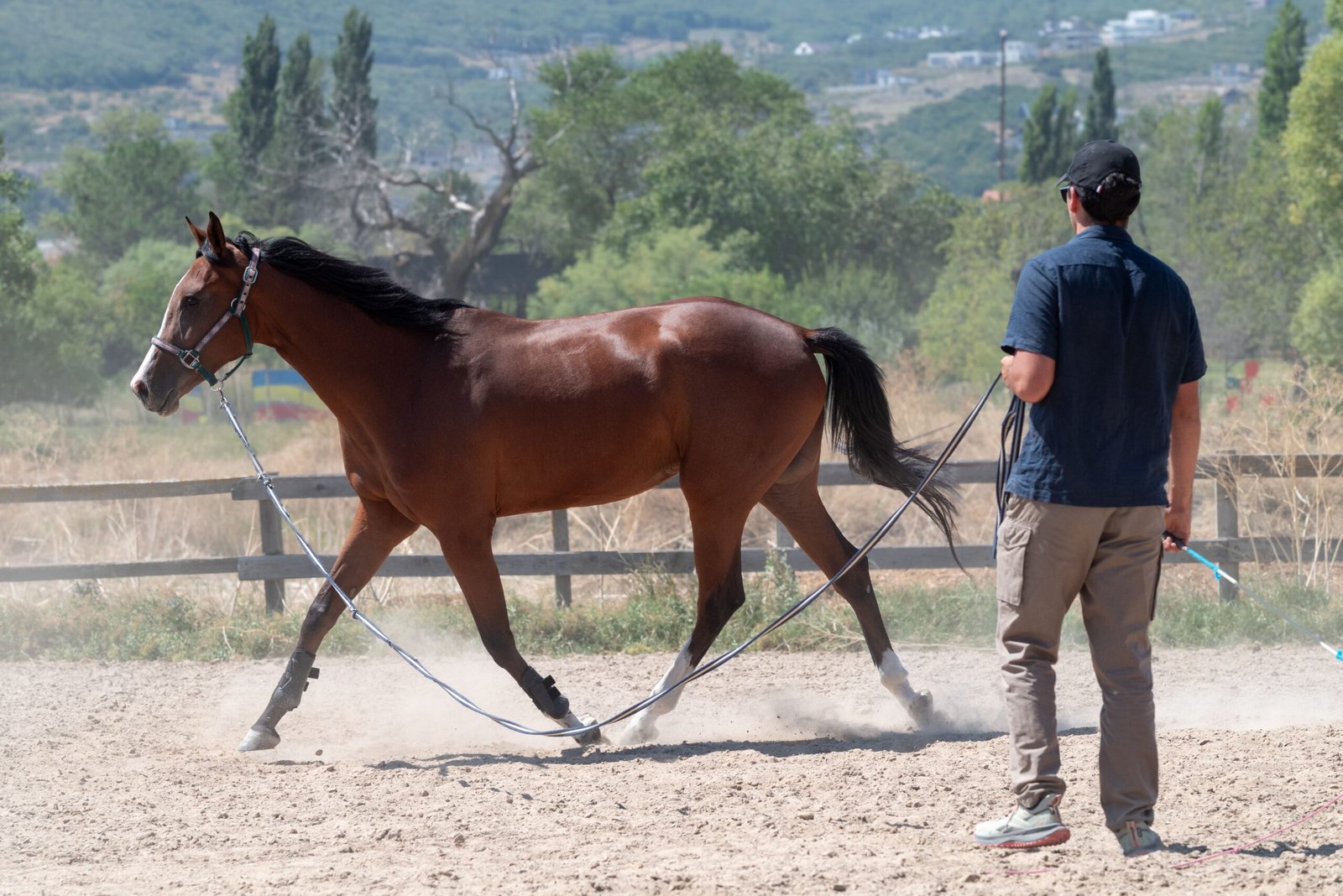
Table of Contents
ToggleThe relationship between a human and a horse is one of the most profound and ancient partnerships in history. For centuries, horses have been our companions in work, war, and leisure, and today, the art of riding remains a beloved pursuit for millions worldwide. Whether you are a complete novice looking to take your first lesson or an experienced equestrian aiming to refine your skills, understanding the complete spectrum of what it means to have horses ridden is essential. This comprehensive guide delves into the core aspects of horsemanship, from selecting the perfect horse and mastering fundamental riding techniques to ensuring the health and well-being of your equine partner. By exploring these critical areas, we aim to provide a resource that helps both horse and rider thrive, building a partnership based on trust, skill, and mutual respect that can last a lifetime.
The Art and Science of Choosing the Right Horse to Ride
The journey of a thousand miles begins with a single step, and for an equestrian, that step is selecting the right horse. This decision is far more complex than simply choosing the most beautiful animal in the stable. It requires a careful assessment of your own riding ability, your goals, and the specific characteristics of the horse. As highlighted in comprehensive guides like The Original Horse Bible, choosing the right horse for novice riders, families, and experienced riders involves understanding a horse’s temperament, training level, and physical capabilities . A horse that is too green or spirited for a beginner can create a dangerous situation, while a more experienced rider might find a “schoolmaster” horse too boring.
When considering a horse to ride, it is crucial to look beyond its color or breed and assess its “training buttons”—the cues it understands and how well it responds to them. The horse’s conformation, the way its body is built, also plays a role in its suitability for specific disciplines. A horse built for the quick, explosive movements of cutting will have a different physique than one bred for the long, steady strides of endurance riding. Furthermore, the rider’s physical fitness and mental fortitude must align with the horse’s energy level and sensitivity. A partnership works best when the horse is not too much or too little for the rider to handle, creating a safe and enjoyable experience for both.
Essential Equipment for the Rider and the Horse
Before a single stride is taken, the correct equipment—or tack—is paramount for the safety and comfort of both horse and rider. The saddle is perhaps the most critical piece of equipment, acting as the primary interface between the horse’s back and the rider’s seat. There is no single “best” saddle; its design must fit the horse’s back perfectly to prevent pain and injury, while also fitting the rider’s anatomy to allow for a balanced and effective position. Similarly, the bridle and bit are essential for communication . The bit sits in the horse’s mouth and, through the reins, allows the rider to convey signals of direction, speed, and collection. Choosing the wrong bit or using it incorrectly can cause significant discomfort and confusion for the horse.
Beyond the primary tack, equestrian equipment includes a vast array of items designed for specific purposes. This includes various training aids, protective boots for the horse’s legs, and the rider’s own safety gear, most importantly a well-fitted helmet. Every piece of equipment must be meticulously maintained and correctly fitted, as a poorly adjusted girth or a worn stirrup leather can lead to an accident . The investment in high-quality, correctly fitted equipment is an investment in the longevity of the horse’s soundness and the rider’s safety, ensuring that the focus during the ride can remain on the partnership and the activity itself.
Fundamentals of Riding: From the First Mount to Advanced Techniques
Learning to ride is a journey of continual learning, regardless of your skill level. It begins with the basics of mounting, dismounting, and achieving a balanced seat. A balanced and independent seat is the foundation upon which all other skills are built; it allows the rider to move with the horse’s motion without interfering with its balance, using subtle shifts in weight and position to communicate commands . The basic gaits—walk, trot, jog, canter, or lope—are the building blocks of riding. Mastering these paces involves not just staying in the saddle but learning to post the trot, sit a jog, and ride the canter in a rhythm that is in harmony with the horse.
As riders progress, they branch into specific disciplines, each demanding a unique set of skills and techniques. For instance, a rider focused on dressage will work on achieving greater collection, suppleness, and precision in their horse’s movements through very refined aids . In contrast, a rider who enjoys the thrill of show jumping must develop an eye for distances, a secure two-point position over fences, and the ability to adjust their horse’s stride. Western riding, with its origins in cattle work, emphasizes a different seat and different cues, often using neck-reining and a focus on a relaxed, responsive horse. Regardless of the discipline, the core principles of clear communication, patience, and a deep understanding of the horse’s nature remain the same .
The Diverse World of Equestrian Activities and Competition
Horseback riding is not a single sport but a gateway to a vast and varied world of activities. The realm of competition is especially diverse, offering a niche for every interest. English riding events include the elegance of dressage, the adrenaline of show jumping, and the demanding athleticism of eventing, which combines dressage, cross-country, and stadium jumping in a single competition. On the other hand, the Western riding world is rich with its own traditions, from the speed and agility of barrel racing and reining to the precision of cutting and working cow horse events, which test a horse’s ability to control cattle .
For those less drawn to the competitive arena, the joy of pleasure riding is equally valid and rewarding. This can range from a quiet trail ride through the woods, offering a perfect escape into nature, to competitive trail riding, where horse and rider cover long distances in a test of endurance and fitness . Driving, a discipline where horses pull a carriage or cart, is another fascinating area that requires its own unique set of driving skills. The sheer variety of equestrian activities ensures that there is a perfect fit for every horse and rider team, from the most serious competitor to the weekend leisure rider.
Ensuring Horse Health and Veterinary Care
The health and well-being of the horse are the absolute priorities for any responsible rider or owner. A horse’s ability to perform and enjoy work is directly tied to its physical condition. Recognizing the signs of a healthy horse—bright eyes, a glossy coat, a good appetite, and normal vital signs—is a fundamental skill for any equestrian . Preventative care, such as a regular vaccination schedule, deworming, and routine dental and hoof care, is essential to prevent illness and maintain soundness. Many horse owners are often the first to notice a change in their horse’s behavior, a sign that prompts them to seek further information online regarding the cause of the condition and the urgency of veterinary treatment .
When a horse does become ill or injured, the role of the veterinarian is paramount. A study on online health information-seeking behavior found that horse owners frequently search online for health-related advice, with their main questions revolving around the cause of the horse’s condition, the urgency of veterinary treatment, and the potential cost of that treatment . This highlights the importance of trustworthy online information sources and the critical need for a strong partnership between the owner and the veterinarian. A proper diagnosis from a vet, combined with the owner’s intimate knowledge of their horse, creates the best possible chance for a successful recovery. First aid knowledge is also a vital tool in every rider’s kit, allowing them to stabilize an injury before the vet arrives.
The Importance of Search Engine Optimization for the Equestrian Industry
In the digital age, the ability to find information on “horses ridden” and other equestrian topics is heavily reliant on search engine optimization (SEO). For equestrian businesses, from riding schools to feed stores, using SEO ensures that their content ranks well in Google searches and reaches the right audience . This involves conducting keyword research to identify the terms potential clients are actually using, such as “horse riding lessons,” “equine veterinary services,” or “horse training tips” . By strategically integrating these keywords into website content, page titles, headings, and meta descriptions, businesses can improve their online visibility and attract more traffic .
Local SEO is particularly important for many equine businesses, as a significant portion of their clientele comes from a specific geographic area. Targeting location-based keywords like “horse boarding near me” or “riding stables in [region]” helps connect businesses with local riders . The equine industry faces a unique challenge in that the information needs of horse owners are often very specific, requiring context-aware search support and trustworthy sources . Therefore, for those creating content about horses ridden, understanding and applying SEO best practices is not just a marketing strategy but a means of ensuring that valuable, potentially life-saving information is accessible to those who need it most.
Conclusion
The world of “horses ridden” is a rich tapestry woven from threads of partnership, skill, and profound respect for a magnificent animal. From the initial, exciting step of selecting the right equine companion to the lifelong journey of mastering riding techniques and navigating the intricacies of horse health, every aspect of this pursuit demands dedication and knowledge. Whether you are drawn to the competitive thrill of the show ring or the tranquil beauty of a trail ride, the fundamental principles remain the same: clear communication, proper care, and an unwavering commitment to the horse’s well-being. By embracing the wealth of knowledge available, from comprehensive guides to online research, and by always prioritizing the health and happiness of the horse, we ensure that this ancient and beautiful partnership between human and horse continues to flourish for generations to come.
Frequently Asked Questions (FAQ)
What is the most important factor when learning to ride a horse?
The most important factor is establishing a solid foundation with a balanced and independent seat. This allows you to communicate effectively with the horse through your body weight and aids without interfering with its balance. Working with a qualified instructor is the safest and most effective way to develop this skill.
How do I choose the right horse for my skill level?
It is essential to be honest about your riding ability. Novice riders should look for a well-trained, “bombproof” horse that is forgiving of beginner mistakes. Experienced riders may seek a more athletic or sensitive horse. Consulting with a trainer and having a pre-purchase veterinary exam are highly recommended.
What is the difference between English and Western riding?
The main differences lie in the saddle design, the type of bit and reins used, and the riding style. English riding often uses a smaller, flatter saddle, direct rein contact, and features disciplines like dressage and jumping. Western riding uses a larger saddle with a horn, features neck-reining, and is rooted in the traditions of cattle ranching.
What is the proper way to groom a horse before riding?
Grooming is essential for cleanliness and to check for injuries. Use a rubber curry comb in a circular motion to loosen dirt, followed by a hard brush to remove it. A soft brush is used for the face and legs. Finally, use a hoof pick to clean the hooves before saddling.
Is it necessary to wear a helmet when riding a horse?
Yes, wearing a properly fitted, safety-approved helmet is absolutely crucial for every ride, regardless of your skill level. It is the most important piece of safety equipment and significantly reduces the risk of serious head injury in the event of a fall.
Animal
Striped Animals: Nature’s Masterpieces of Color, Camouflage, and Survival
Published
4 months agoon
July 7, 2026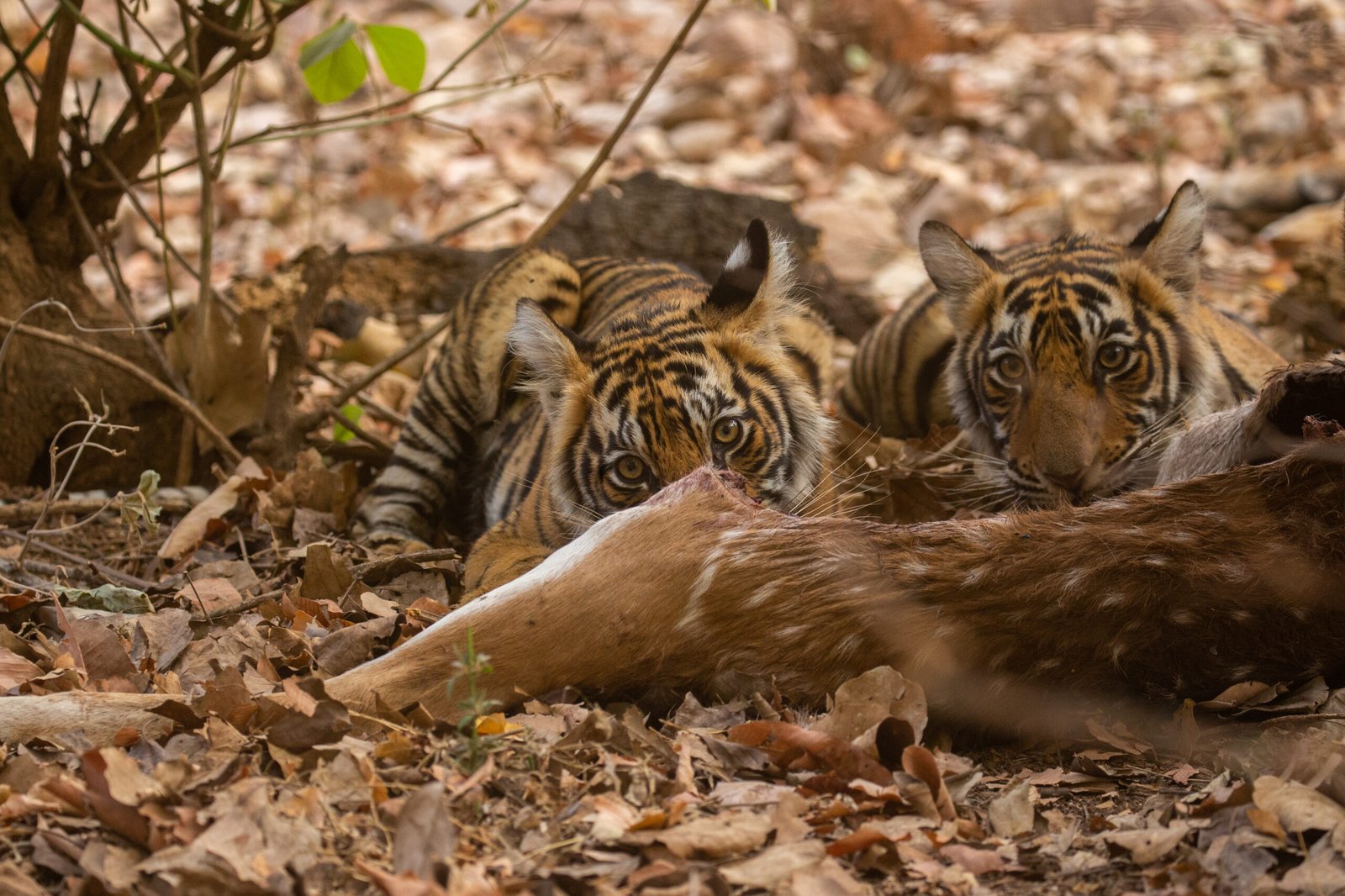
Table of Contents
ToggleNature’s Masterpieces of Color, Camouflage, and Survival
The natural world is filled with an astonishing array of patterns, and among the most captivating are the stripes that adorn so many creatures. From the iconic black-and-white bands of a zebra to the subtle, shadow-mimicking stripes of a bongo, these patterns are far more than just aesthetic features. Stripes in the animal kingdom represent a remarkable evolutionary toolkit, serving as survival mechanisms for camouflage, communication, warning signals, and defense against parasites. Understanding why animals have stripes is to understand the complex interplay between a species, its environment, and its predators and prey.
The Science Behind the Stripe: Function and Evolution
Stripes, like other color patterns, have evolved primarily for three key adaptive reasons: camouflage, communication, and physico-physiological functions. The specific function of stripes often depends on the animal’s environment, behavior, and ecological niche. For instance, a 1999 study published in the Biological Journal of the Linnean Society analyzed 200 species of mammalian carnivores and concluded that spotted, vertically striped, and horizontally striped coats evolved for camouflage. This means that for many animals, stripes are a critical tool for survival, helping them blend into their surroundings and avoid detection, whether they are the hunter or the hunted.
The concept of camouflage is a primary driver for stripe evolution. The effectiveness of stripes often lies in “disruptive coloration,” a phenomenon where high-contrast patterns break up an animal’s outline against its background. By creating visual confusion, stripes can make it difficult for a predator to see the animal at all or, if it is detected, to judge its shape, distance, and speed accurately. This is particularly important for ambush predators and vulnerable prey. Whether mimicking the vertical shafts of light in a forest, the shadows of grass, or the ripples of water, stripes act as nature’s original optical illusion, providing a life-saving edge to those who wear them.
Iconic Striped Animals and Their Unique Patterns
Tigers: The Camouflaged Hunter
The tiger, one of the most recognizable striped animals, is the largest member of the cat family. Its distinctive orange and black stripes are a masterpiece of camouflage, allowing it to blend seamlessly into the dappled light of its forest and grassland habitats. These vertical stripes break up the tiger’s large outline, making it easier to stalk prey undetected. Crucially, each tiger has a unique stripe pattern, similar to a human fingerprint, which is a valuable tool for researchers in monitoring individuals in the wild. There are five remaining subspecies of tigers, all of which are endangered, highlighting the fragility of these magnificent predators.
Zebras: The Enigmatic Herbivore
Zebras, perhaps the most famous striped animals, have long puzzled biologists with their striking black-and-white coats. There are three species of zebra—the plains zebra, the mountain zebra, and Grevy’s zebra—each with subtly different striping patterns. The question of whether a zebra is black with white stripes or white with black stripes has a scientific answer: beneath their fur, all zebras have black skin, meaning their white stripes are an absence of melanin, making black the “default” color.
For centuries, naturalists, including Charles Darwin, have debated the purpose of zebra stripes. While a long-held theory suggested that the stripes provided camouflage in tall grass, more modern research has cast significant doubt on this idea. A 2015 study showed that lions and hyenas, zebras’ primary predators, have difficulty seeing the stripes at distances from which they typically attack, especially in the low-light conditions of dawn and dusk when they hunt. At these crucial moments, a zebra would appear as a uniform, unstriped shape, much like any other prey animal.
Tigers vs. Zebras: A Tale of Two Stripes
The comparison between tigers and zebras highlights how the same basic pattern can serve different primary functions. For a solitary hunter like a tiger, camouflage for ambushing prey is paramount. For a social herding animal like a zebra, while camouflage may have a minor role, the primary drivers for their stripes appear to be defense against disease-carrying insects and the creation of confusion within the herd to protect against predators.
Bongos and Okapis: Stripes of the Forest
The bongo, a large antelope found in the forests of Central and West Africa, has a striking reddish-brown coat with brilliant white vertical stripes. Like the stripes of a tiger, these white bands mimic the dappled patterns of light filtering through the trees, breaking up the animal’s outline and providing excellent camouflage against predators in the dim forest interior. The bongo is classified as near threatened.
Often described as a “forest giraffe,” the okapi is another master of camouflage with striped hindquarters and legs. Its zebra-like stripes help it blend into the dense, shaded forests of the Congo Basin, breaking up its outline and mimicking the play of light on the forest floor. This adaptation is vital for evading predators like leopards. For both the bongo and the okapi, stripes are essential for survival in the complex, vertical world of the rainforest.
Stripe Functions: Defense and Communication
The Zebra’s Stripes: A Shield Against Pests
One of the most compelling modern theories for zebra stripes is that they evolved to protect against biting insects. Research has shown that horseflies and tsetse flies are less attracted to striped surfaces than to solid colors. The stripes create an optical illusion that disrupts the insects’ visual systems, making the striped surface appear unattractive for landing. Experiments have demonstrated that striped models attract significantly fewer flies than black or white ones. Because biting flies can transmit deadly diseases like equine infectious anemia, this insect-repelling function provides a powerful evolutionary advantage. This theory is supported by observations that zebras living in areas with more biting flies tend to have more pronounced stripes.
Dazzle and Confusion in the Herd
When zebras move together in a herd, their stripes create a powerful visual effect. This pattern “dazzles” predators, making it difficult to single out an individual from the crowd. The moving mass of stripes confuses predators, making it harder for a lion or hyena to isolate and target a single animal. This collective defense mechanism is a significant factor in zebra survival, reducing the success rate of attacks by ambush predators. The “dazzle” effect created by the stripes turns the herd into a confusing sea of black and white, adding another layer of protection beyond individual camouflage.
Aposematism: The Warning Stripe
For many animals, stripes serve as a clear warning signal to potential predators, a strategy known as aposematism. The bold black-and-white stripes of a skunk instantly communicate danger; its vivid pattern warns predators of the foul-smelling, irritating spray it can deploy. Similarly, the bright red, yellow, and black bands of a coral snake are a stark warning of its potent venom. The striped polecat, or zorilla, also employs this strategy, using its black-and-white stripes to warn predators that it has a powerful chemical defense it is not afraid to use. These animals are advertising their defenses rather than trying to hide, and their stripes are an effective deterrent that often prevents an attack before it even begins.
Full Length FAQ: Understanding Striped Animals
Q: Why do animals have stripes?
A: Animals have stripes for several crucial reasons. The primary functions are camouflage, where stripes help an animal hide from predators or prey by breaking up its outline and blending into its environment; warning signals or aposematism, where bold stripes tell predators to stay away due to a potent defense; and defense against insects, as seen in zebras, where stripes confuse biting flies. Other functions include social communication and, in some cases, thermoregulation.
Q: Are zebras white with black stripes or black with white stripes?
A: Scientifically, zebras are black with white stripes. This is because the white fur represents an absence of the pigment melanin, whereas black is the result of pigmentation. Ultimately, all zebras have black skin beneath their fur, confirming that black is the animal’s default base color.
Q: What is the purpose of tiger stripes?
A: Tiger stripes primarily serve as camouflage. The vertical black stripes against their reddish-orange coats help break up their shape in the dappled light of their forest and grassland habitats. This allows them to stalk their prey more effectively by blending into the shadows and tall grass. Each tiger’s stripe pattern is unique, much like a human fingerprint.
Q: Do any animals have stripes as a warning?
A: Yes, many animals use stripes as a form of aposematic coloration, which is a warning signal to predators. The most famous examples are skunks and striped polecats, whose striking black-and-white stripes warn of their powerful, foul-smelling defensive spray. Similarly, coral snakes use their red, yellow, and black bands to signal their venomous nature.
Q: Are all striped animals related to each other?
A: No, striped animals are not all closely related. Stripes have evolved independently in many different animal groups. For example, zebras are related to horses and asses, tigers are cats, and okapis are related to giraffes. This is a prime example of convergent evolution, where unrelated species evolve similar traits in response to similar environmental pressures, such as the need for camouflage or defense.
Q: Do the stripes of any animal serve as social signals?
A: Yes, for some animals, stripes play a role in social communication. For instance, the striped tail of a ring-tailed lemur is used for communication within its troop. They hold their tails high to follow each other and wave them as warning flags to rival groups. While individual stripe patterns are unique to zebras, their primary role is thought to be pest defense, but they may also play a minor role in recognition.
Conclusion
Stripes in the animal kingdom are a testament to the power of evolution, representing one of nature’s most versatile and effective survival strategies. While they may appear simply decorative to human eyes, these patterns serve as life-sustaining tools, from enabling a tiger to stalk its prey unseen to helping a herd of zebras confuse a lion. Through the principles of camouflage, aposematism, and even pest defense, stripes demonstrate that beauty and function are often intrinsically linked. The study of striped animals is a window into the complex and wondrous ways in which life adapts to thrive in a world where survival is the ultimate prize. From the iconic zebra to the rare bongo, these creatures remind us that every pattern tells a story of survival, adaptation, and the raw creativity of nature.

Nicole Kidman Children: Meet Her Four Kids, Isabella, Connor, Sunday and Faith

Best Ethernet Cable for Gaming: How to Choose the Right Cable for Fast, Stable Gameplay

Jenna Ortega: Career, Style, Fame, and Life in the Public Eye

A Journey Through Time: A Deep Dive into “Отмороженные” 1 Season 4 Series

Unveiling “Peʹrez”: A Journey Through History, Genealogy, and Meaning

Picture Black Picture: Meaning, Uses, Psychology, Aesthetics, and Why Black Images Still Captivate Us
Trending
 Entertainment4 months ago
A Journey Through Time: A Deep Dive into “Отмороженные” 1 Season 4 Series
- Study3 months ago
Unveiling “Peʹrez”: A Journey Through History, Genealogy, and Meaning
- Fashion4 months ago
Picture Black Picture: Meaning, Uses, Psychology, Aesthetics, and Why Black Images Still Captivate Us
- Fashion4 months ago
Flower Background: The Complete Guide to Creating Stunning Floral Visuals That Transform Any Space
- Fashion4 months ago
Lorice Washington: The Quiet Force Behind Hollywood Royalty
- Fashion4 months ago
Obituary Template: How to Write a Meaningful Tribute with Free Examples
- Fashion3 months ago
The Ultimate Guide to Yacht Formal Attire: Dress Codes, Etiquette, and Style for a Luxurious Experience
- Business4 months ago
New Software RCSDASSK: The Definitive Guide to Features, Benefits, and the Truth Behind the Buzz